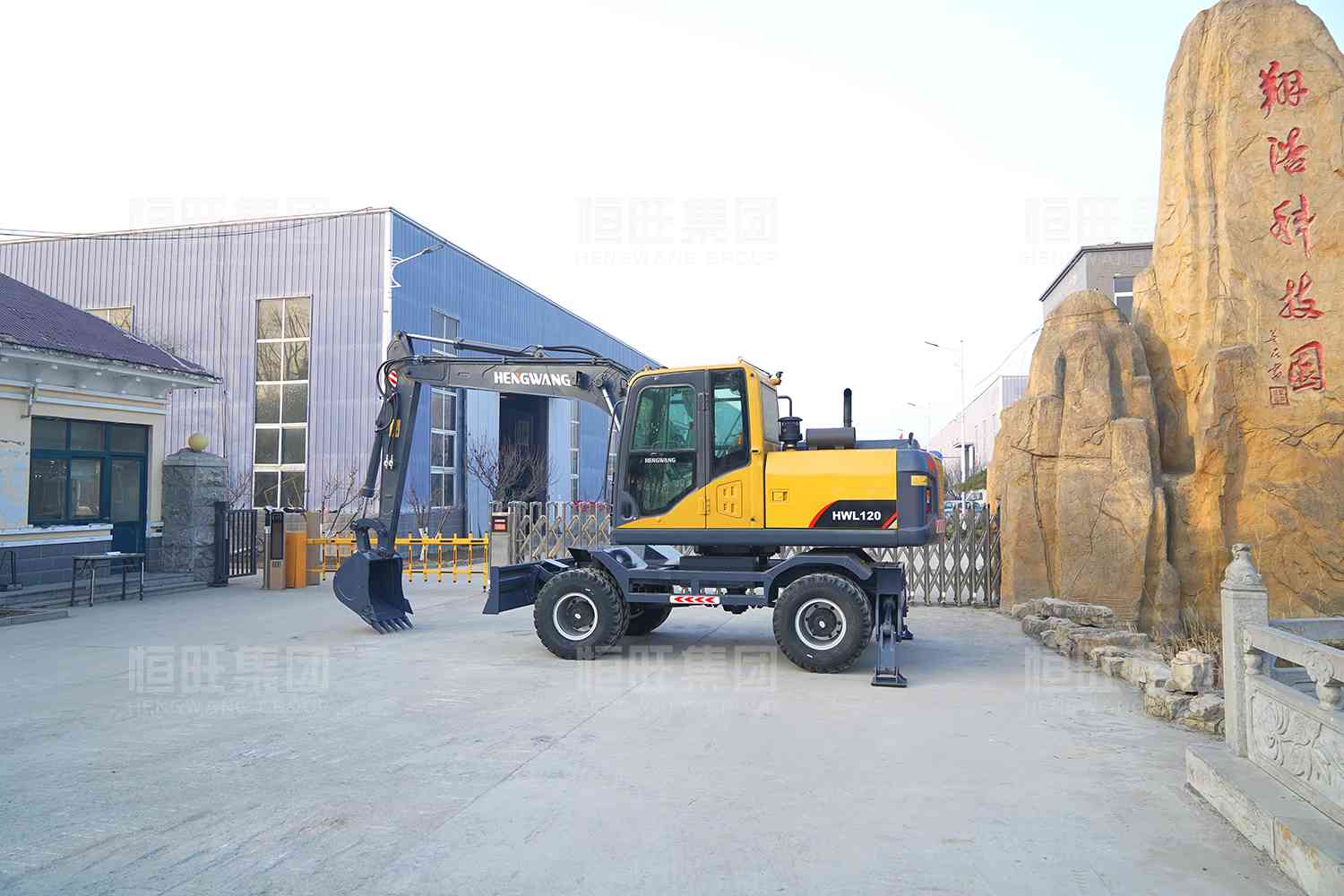
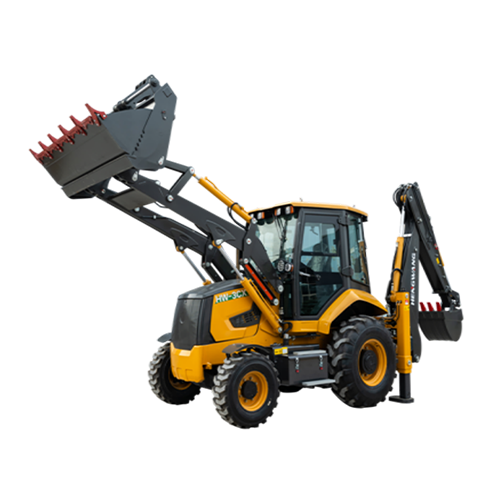
During rainy-season operations, wheel excavators should bypass muddy areas or water accumulations exceeding 30cm—their mobility is inferior to crawler models, and potholed terrain can cause tire slippage or chassis jamming. If wading through shallow water is unavoidable, inspect water depth and seabed hardness first to prevent forced passage.
Sheltered Parking: Park wheel excavators under a canopy during heavy rain to avoid prolonged exposure. Acidic rainwater accelerates corrosion of chassis, hydraulic pipes, and other metal components.
Chassis Cleaning: Rinse chassis drivetrain components (e.g., drive axles, steering knuckles) after rain, removing sediment and debris. Use a high-pressure air gun to dry water in crevices and prevent rust.
Fuel/Hydraulic Tanks: Tighten caps and check seal rings. If aging or damaged, wrap with plastic wrap as emergency sealing to prevent rainwater from contaminating fluids and causing system failures.
Air Filter: Paper filters lose efficiency when wet. Inspect after rain and replace immediately if damp to prevent the engine from inhaling water-laden air.
Electrical Connections: Prioritize checking starter motor and ignition system wiring harnesses. Dry connector moisture with a cloth to avoid short circuits and starting issues.
Apply specialized protective wax for wheel excavators to form a waterproof film and reduce oxidation.
Spray rust-proof oil on exposed pins, cylinder rods, and other metal parts to mitigate rain-induced corrosion.
For wheel excavators with breakers, additionally inspect breaker pipeline connections after rain—prolonged rainy operations accelerate seal aging, allowing dust to enter the hydraulic system with rainwater and exacerbate component wear.